
A good manicure tool is not necessarily the most expensive one.
What matters far more is whether the tool feels comfortable in use, maintains a clean cut, does not put unnecessary strain on your hand, and can be professionally maintained over time.
When choosing a tool, pay attention not only to its appearance but also to its construction, the condition of its working surfaces, and the overall quality of manufacturing.
Overall Appearance
Start with a careful visual inspection.
Check whether:
• there are any chips, burrs, or rough areas;
• the surfaces are evenly finished;
• there are no signs of poor workmanship;
• all connections and joints are cleanly and accurately made.
A quality tool usually gives an impression of precision and attention to detail from the very first look.
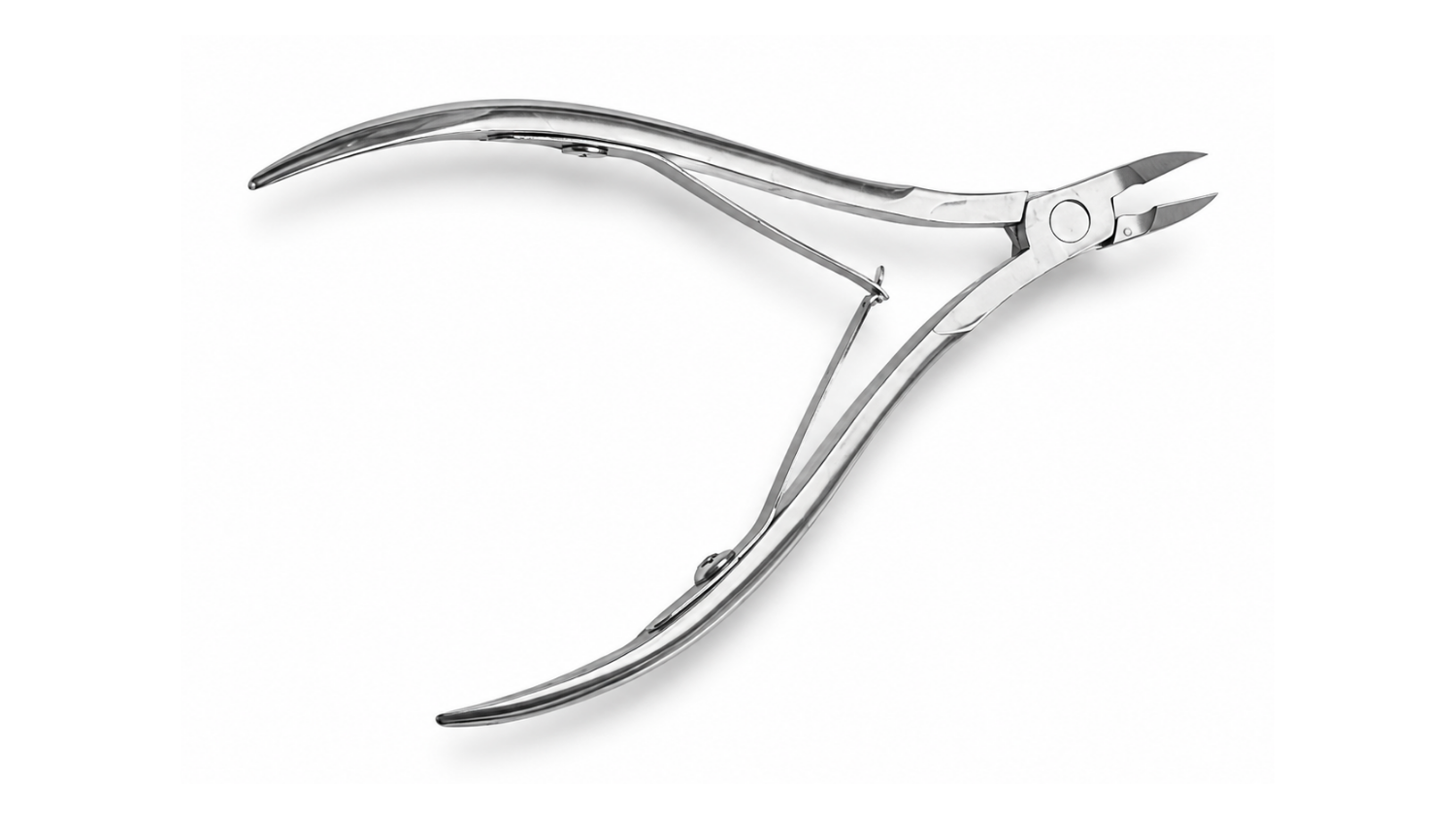
Working Part (Blades and Cutting Edges)
The working part has a direct impact on how the tool performs.
Pay attention to:
• whether the shape is symmetrical;
• whether the cutting edges meet evenly;
• whether there are any visible defects or distortions;
• how precisely the cutting area has been finished.
For cuticle nippers, it is especially important that the blades close evenly along their entire length.
Even a slight misalignment can affect both performance and future maintenance.
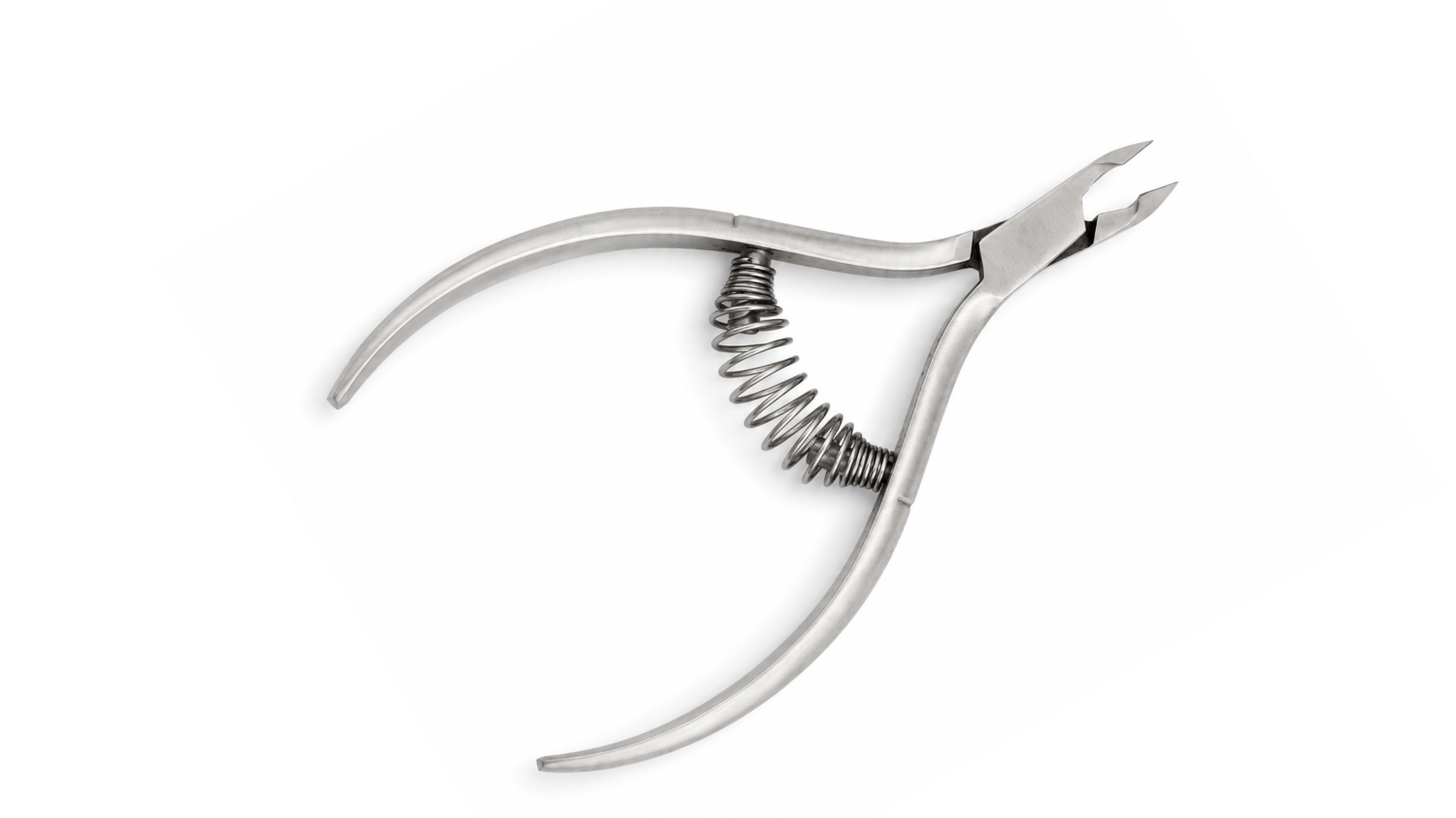
Pivot Joint
The pivot joint is constantly subjected to stress during use.
Check whether:
• there is any excessive play;
• the fastening element is properly aligned;
• there are no signs of misalignment;
• the action feels smooth and consistent.
The condition of the pivot joint directly affects:
✔ smooth operation
✔ cutting stability
✔ tool longevity
Different designs exist, but manufacturing quality is usually the deciding factor.
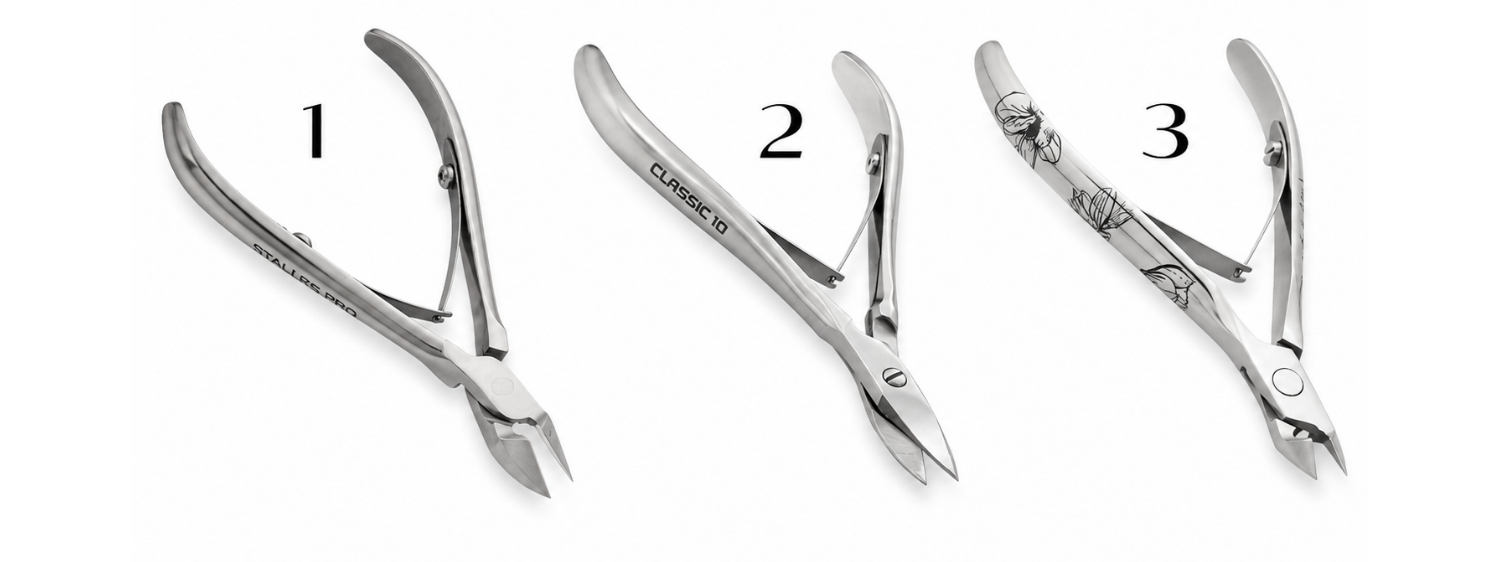
Joint Types: 1 — Fixed • 2 — Removable • 3 — Classic
Springs (for Nippers)
The spring affects comfort just as much as the cutting part.
Pay attention to:
• how smoothly the tool opens;
• whether there is any misalignment;
• whether the tool returns comfortably to its starting position.
Different spring designs are available, including single, double, and coil springs.
There is no universal solution here. Much depends on personal preference and working habits.
👉 If possible, try several options before purchasing. The difference in feel can be greater than many professionals expect.
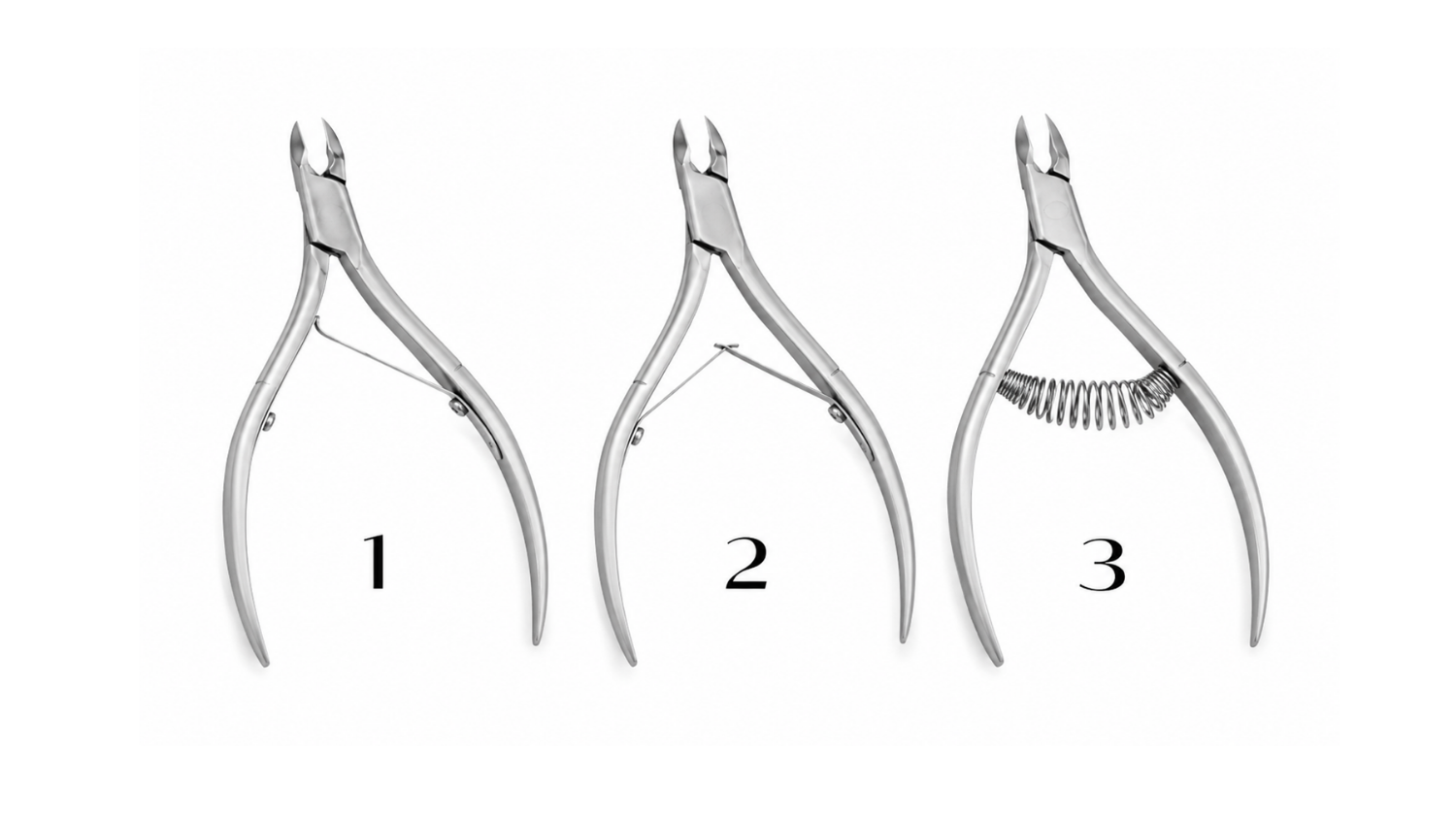
Spring Types: 1 — Single • 2 — Double • 3 — Coil
Steel and Coating
The material affects the lifespan of a tool, but it does not determine quality by itself.
Do not rely solely on marketing claims such as:
✖ “medical steel”
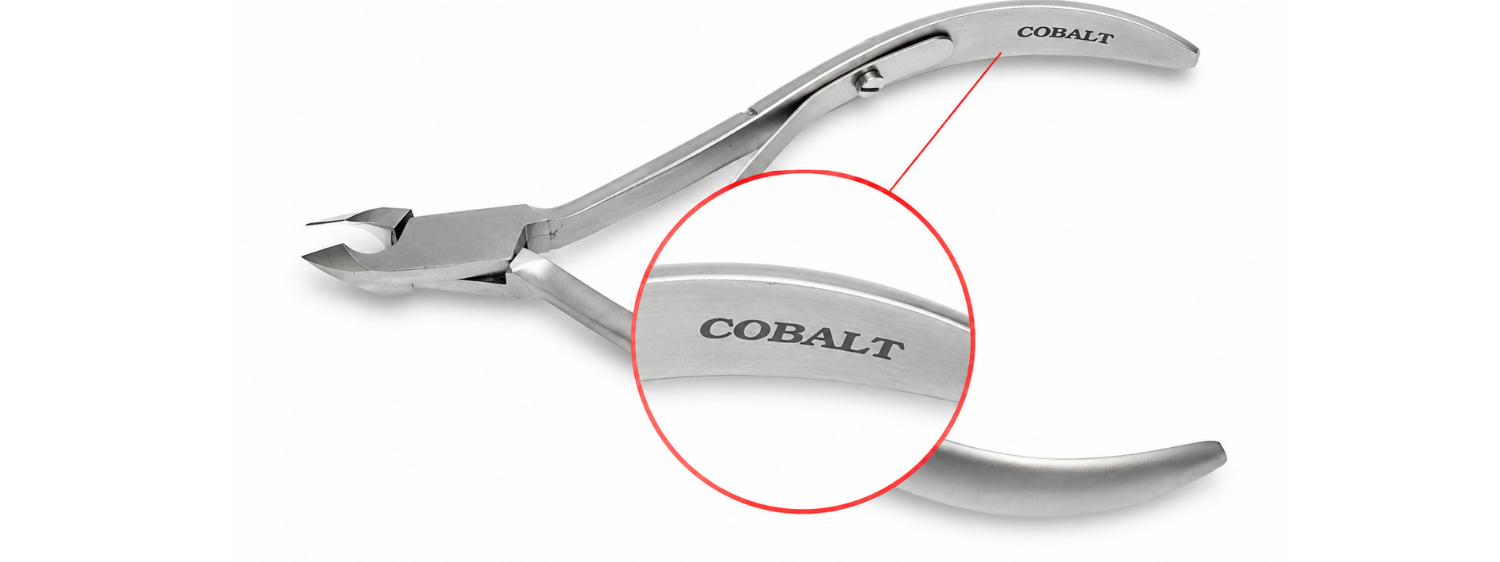
✖ “cobalt”
✖ “laser sharpening”
Far more important are:
✔ manufacturing quality;
✔ heat treatment;
✔ the possibility of professional maintenance in the future.
👉 Learn more in the article:
Tool Action
Before purchasing, always evaluate how the tool feels in your hand.
The action should be:
• smooth;
• free from sticking;
• free from clicking;
• free from excessive resistance.
An overly stiff action can tire the hand more quickly.
An overly loose action may reduce control and overall comfort.
What Matters More Than the Brand
When choosing a tool, professionals often focus on the brand, reviews, or recommendations from colleagues.
However, before making a purchase, ask yourself a few questions:
✔ Does the tool feel comfortable in your hand?
✔ Is the length and shape of the working part suitable for your technique?
✔ Is the action comfortable?
✔ Can you work with this tool all day without discomfort?
✔ Can it be professionally maintained when needed?
Sometimes a tool that feels perfect for one technician may be uncomfortable for another.
Don’t Forget About Maintenance
Even the highest-quality tool gradually wears over time.
Before buying, it is worth finding out:
• whether the tool can be professionally maintained;
• whether sharpening services are available;
• whether individual components can be restored or repaired.
In many cases, long-term serviceability has a greater impact on the lifespan of a tool than its original purchase price.
✔ Conclusion
When choosing a manicure tool, do not focus only on the brand, price, or marketing promises.
It is far more important to consider:
✔ manufacturing quality
✔ working comfort
✔ the condition of the pivot joint
✔ smooth action
✔ future maintenance options
A good tool is not the one that looks impressive in its packaging, but the one that feels comfortable every day and can be kept in excellent working condition for years.
💬 Professional Tip
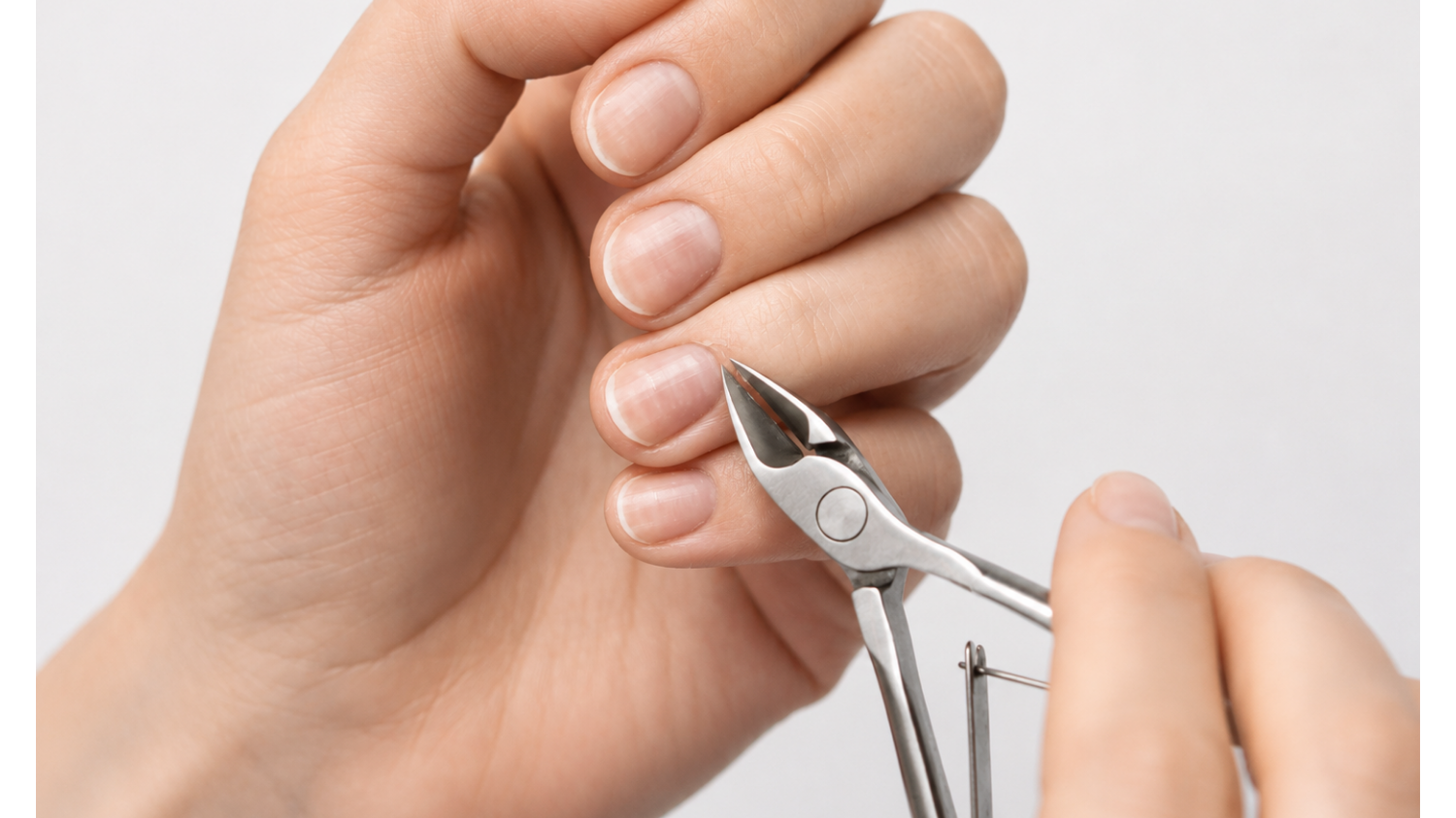
Whenever possible, hold the tool in your hand before purchasing.
Even a high-quality tool can feel very different depending on a technician’s working technique, hand position, and personal preferences.
📩 Questions About Choosing or Maintaining a Tool?
Take a look at the available contact options and service information.
Helpful Articles for Manicure and Pedicure Professionals
→ What Steel Is Best for Manicure Tools?
→ How to Tell Whether a Manicure Tool Is Properly Sharpened
→ When Is It Time to Sharpen a Manicure Tool?
→ What Is Included in Professional Manicure Tool Sharpening? (Coming Soon)
→ How to Maintain the Sharpness of Manicure Tools