
Over the years, one pattern becomes clear.
Professional tools rarely become damaged because of a single major incident.
Much more often, their condition is affected by everyday habits — the way they are used, stored, cleaned, and maintained.
These small daily actions often determine how comfortable your work will be and how long your tools will retain their performance.
Below are several simple recommendations
Don’t Work Through Excessive Force
If a tool starts requiring more pressure than usual, avoid compensating by changing your technique or applying additional force.
Excessive pressure affects not only the tool but also the comfort of the professional using it.
Over time, unnecessary strain can lead to hand fatigue and reduced precision.
In many cases, timely maintenance can solve the problem before significant wear develops.
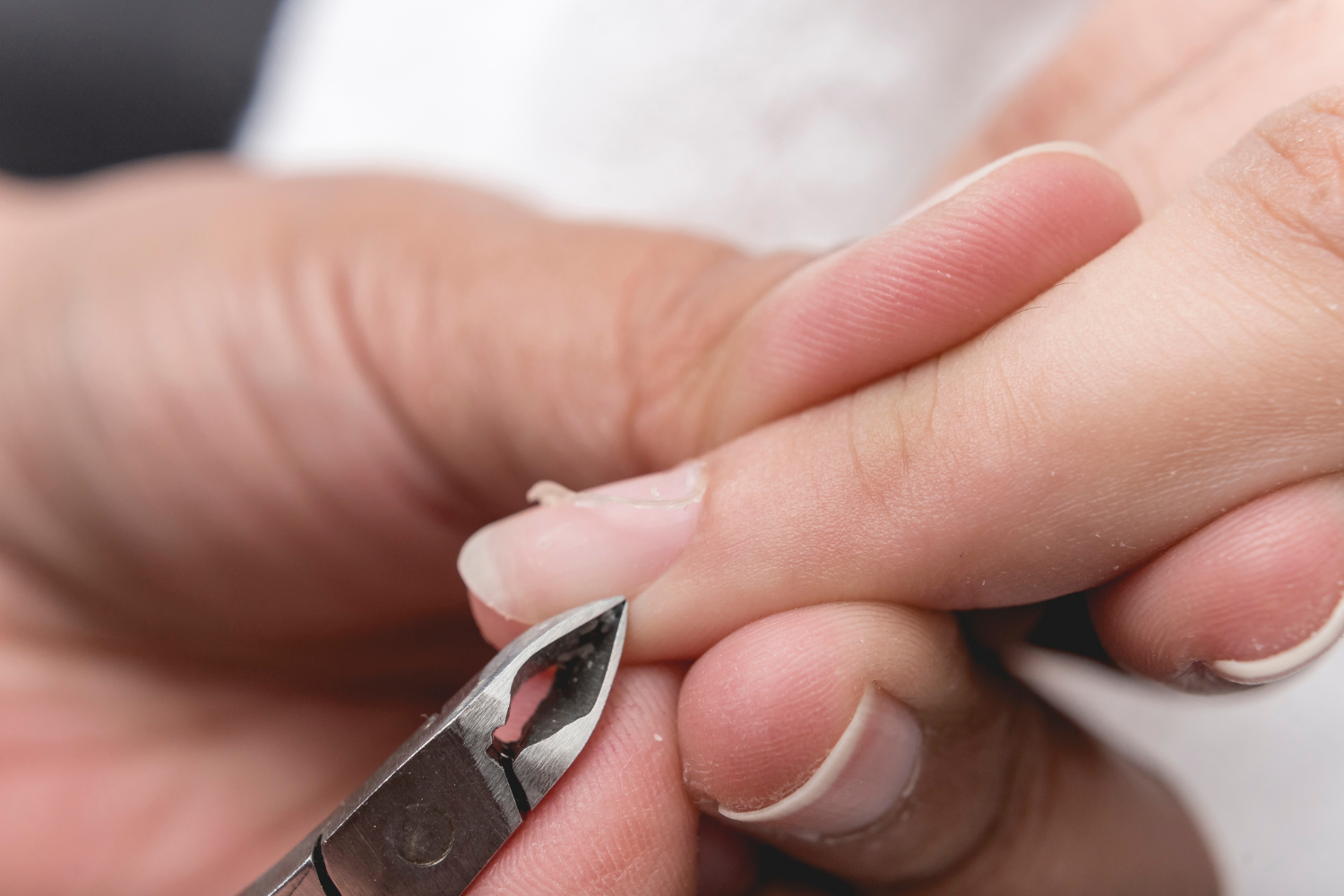
Don’t Delay Maintenance Until the Last Moment
A professional tool rarely stops performing well without warning.
Usually, small changes appear first:
• the quality of the cut decreases;
• the movement becomes less smooth;
• the tool begins to feel different during use;
• precision at the tips becomes less reliable.
The earlier these changes are noticed, the greater the chance of preserving the tool’s condition and avoiding more serious wear.
Don’t Store Tools Carelessly
Even the highest-quality sharpening cannot protect a tool from physical damage.
The cutting edges may be affected by:
• drops and impacts;
• contact between tools;
• storage without protective cases;
• excessive moisture.
Proper storage often extends the service life of a tool far more than many professionals expect.
Don’t Compare Your Tools to Someone Else’s
Every professional has their own:
• working technique;
• workload;
• habits;
• preferences and expectations.
A tool that feels perfect for one professional may feel uncomfortable for another.
When choosing and maintaining tools, personal comfort and work quality should always come first.
Don’t Wait for the Perfect Time for Maintenance
Sharpening is not a sign of a poor-quality tool.
Professional tools are designed to be maintained.
Regular maintenance helps preserve cutting performance, working comfort, and the overall condition of the tool for much longer.
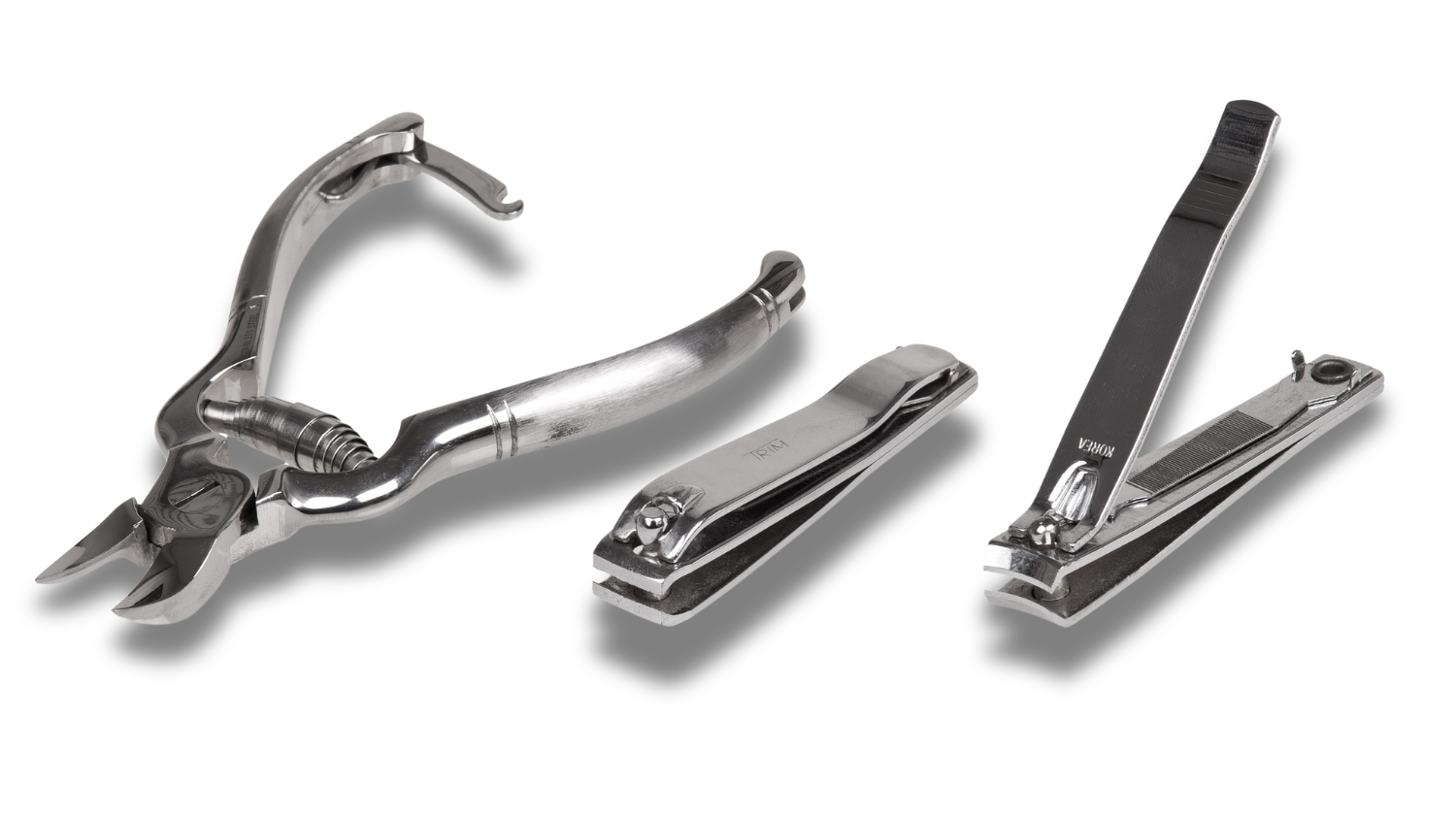
✔ The Most Important Rule
Don’t look for a tool that never requires maintenance.
Look for a tool that feels comfortable to work with and can be kept in excellent condition for years.
💬 Professional Tip
A great tool rarely becomes great by accident.
In most cases, it is the result of the right choice, careful use, and timely maintenance.
📩 Have Questions About Tool Condition or Maintenance?
Useful Articles for Manicure and Pedicure Professionals
→ How to Choose a Manicure Tool: Essential Guidelines
→ Which Steel Is Best for Manicure Tools?
→ How to Tell if a Manicure Tool Is Properly Sharpened
→ How to Maintain the Sharpness of Manicure Tools
→ How Long Do Manicure Tools Last?
→ When Is It Time to Have Your Manicure Tools Sharpened?
→ What Is Included in Professional Manicure Tool Sharpening?