
Even heavily worn or
damaged tools can often be brought back to full working condition.
Professional restoration helps recover functionality and significantly extend
the tool’s lifespan without the need for replacement.
👉 Not sure if your tool can be restored?
Find out when a tool can no longer be restored.
When Restoration Is Possible
Restoration is possible if:
• the cutting edge is
dull or has minor damage
• scissors start to “chew” or pull hair
• the tool has lost smooth movement
• there is play or incorrect tension
• there are minor chips or slight deformation
In such cases, tools are usually successfully restored.
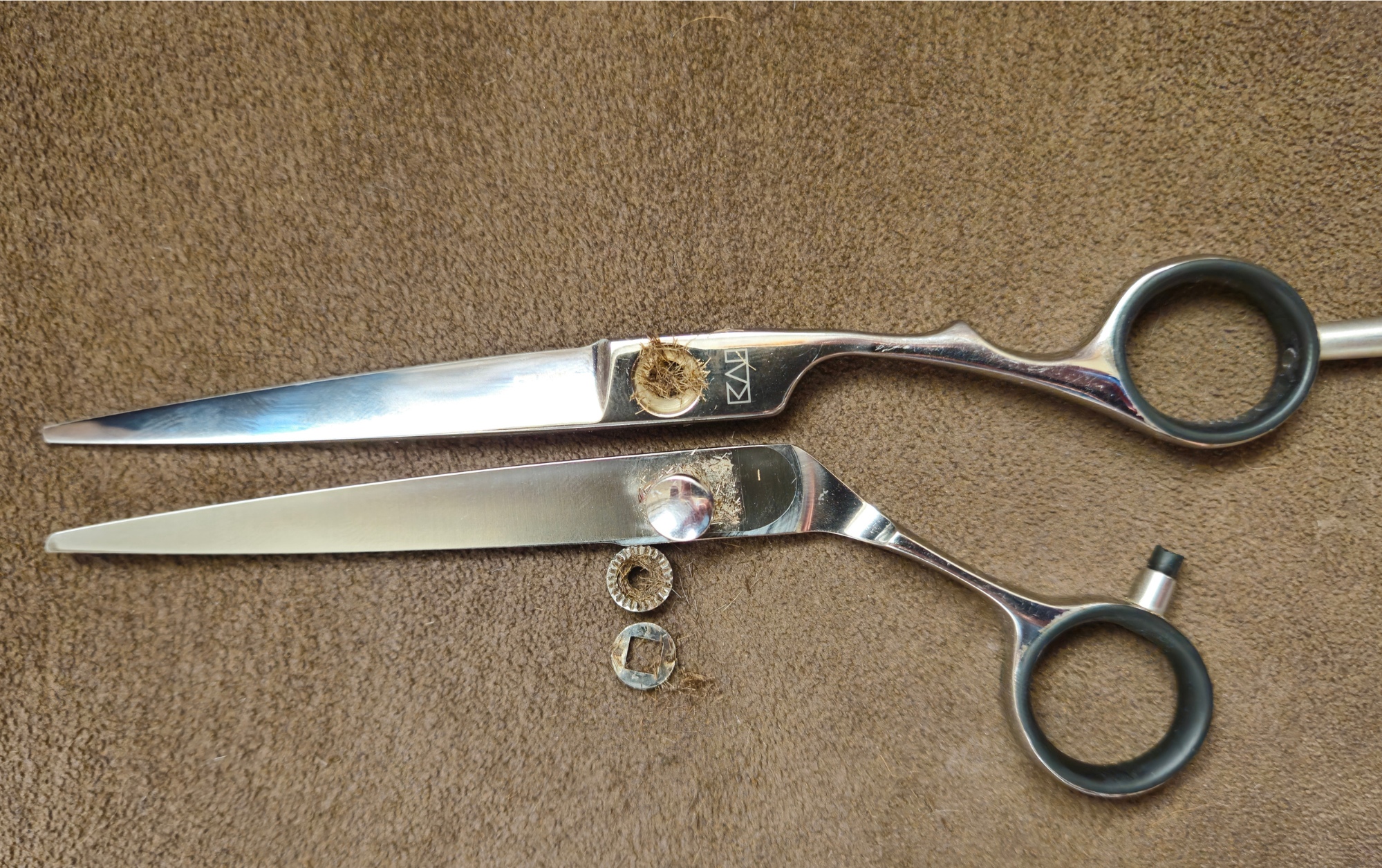
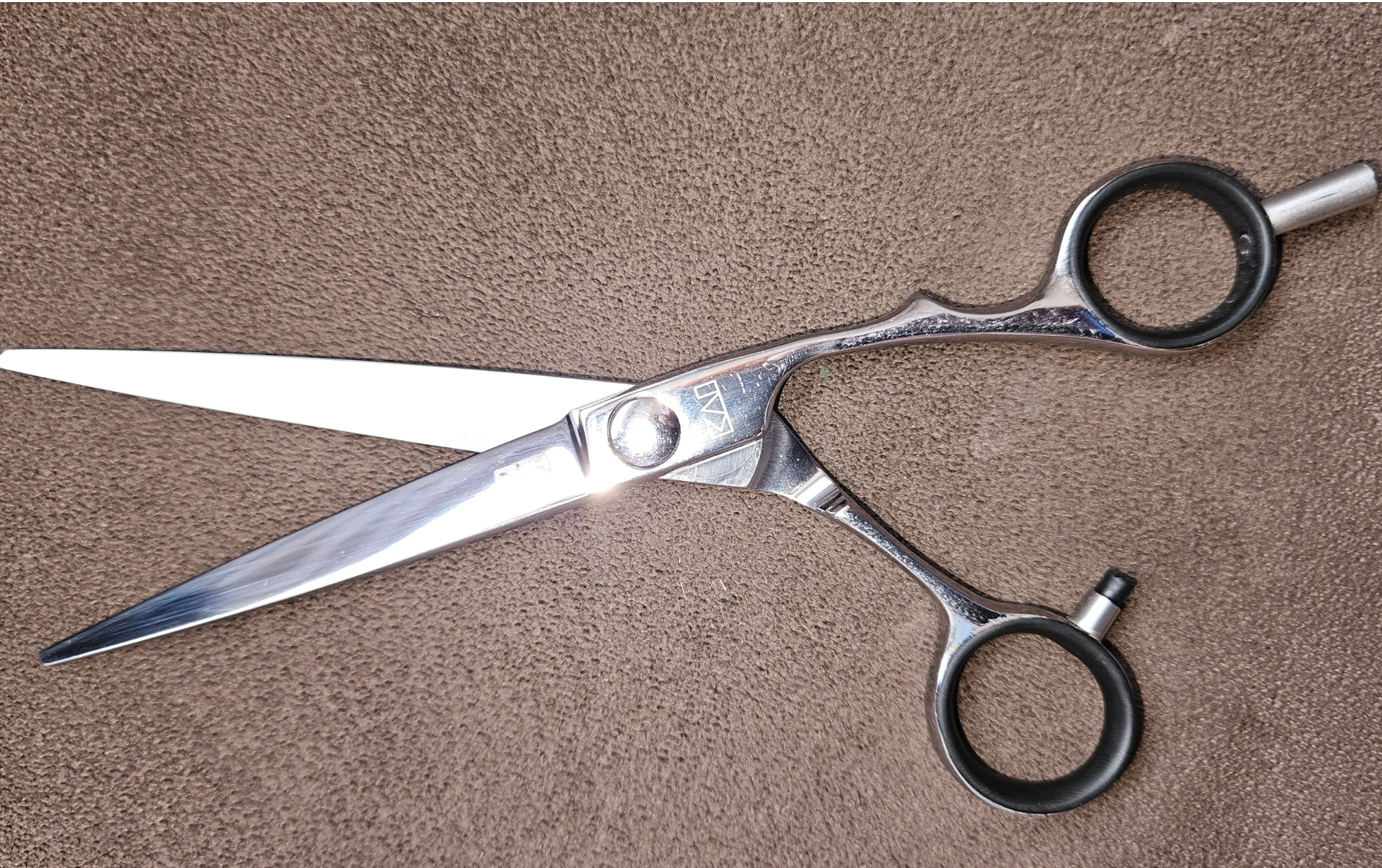
When Restoration Is Limited
It is not always possible to return a tool to perfect condition.
Challenges arise if:
• there are deep chips or
cracks in the metal
• the blade geometry is significantly damaged
• the tool has been overheated or improperly sharpened
• non-professional sharpening methods were used
Even in these cases, it is often possible to significantly improve performance and make the tool usable again.
How Restoration Works
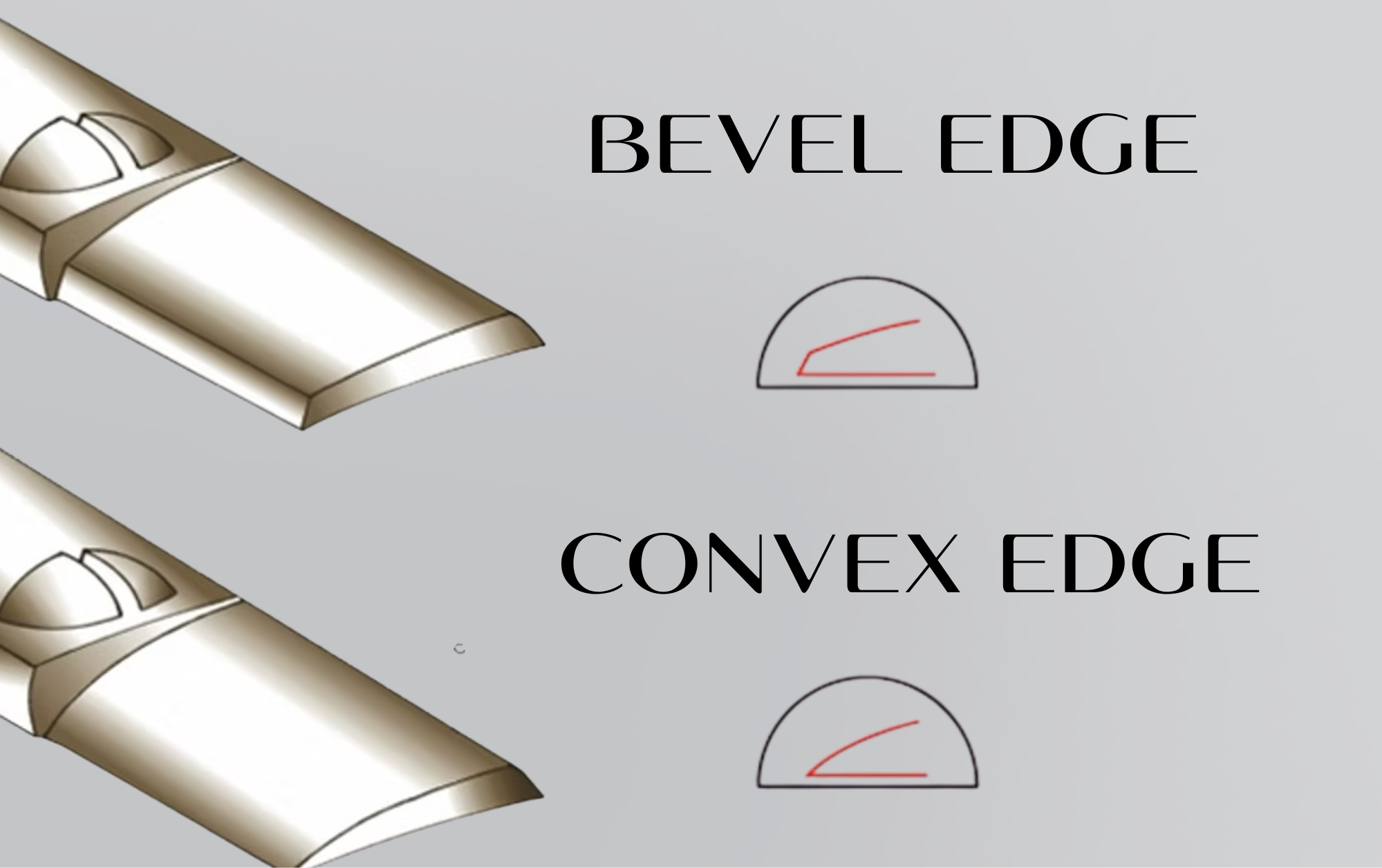
Restoration is carried out taking into account:
• the original
construction of the tool
• factory sharpening angles
• the type of steel and intended use
During the process, the technician:
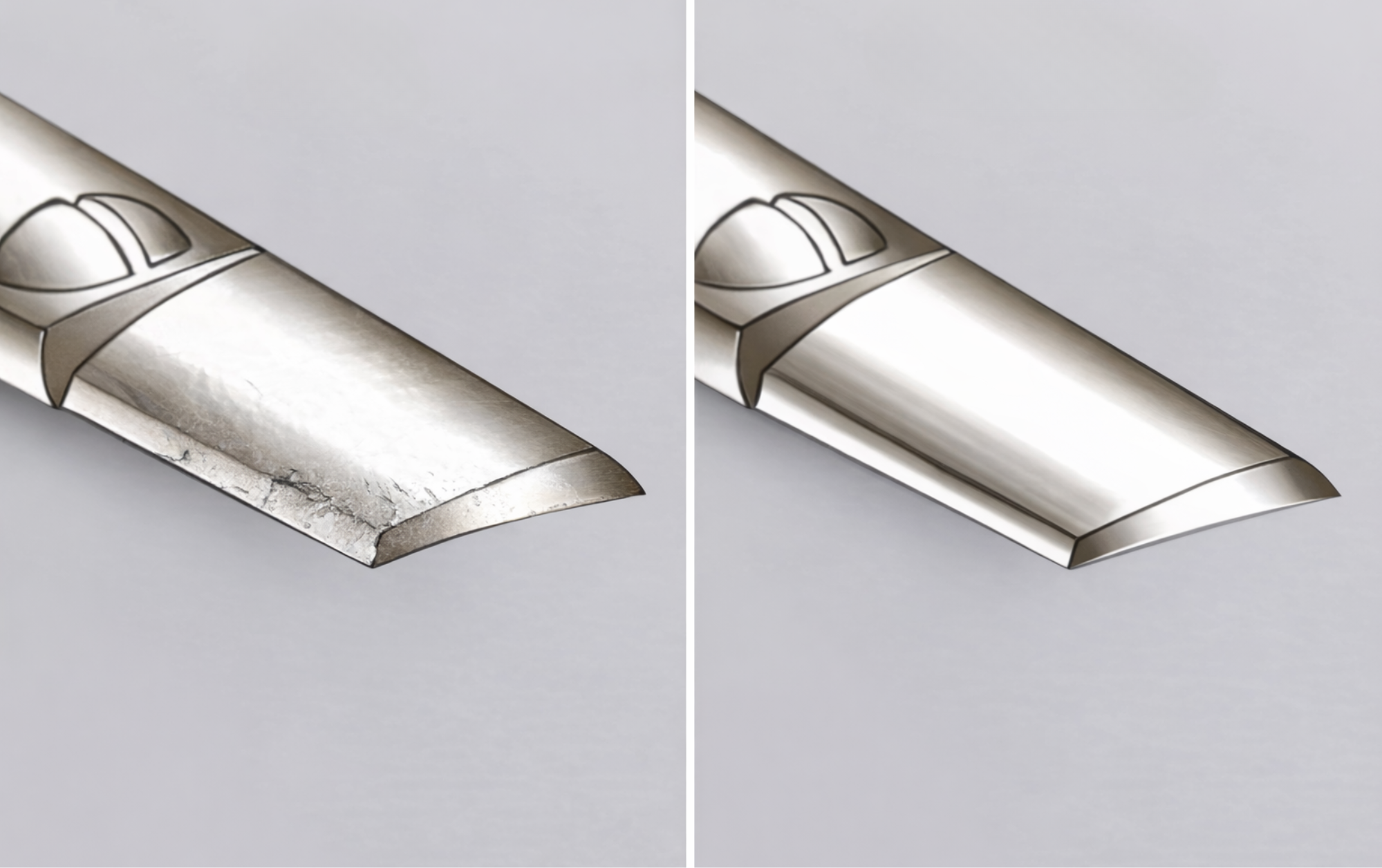
• restores cutting edge
geometry
• removes defects
• adjusts tension precisely
• polishes working surfaces
Each tool is treated individually.
👉 Want to see how professional restoration works in practice?
Why It’s Important to Use a Specialist
DIY repair attempts often make things worse.
A professional:
✔ accurately assesses the
damage
✔ selects the correct
restoration method
✔ preserves the tool’s
lifespan
Conclusion
👉 In most cases, tools can be successfully restored with professional sharpening and restoration.
This is far more cost-effective than buying a new tool — especially for professional scissors.
💬 Need an assessment?
Send a photo — we’ll evaluate your tool and recommend the best solution.
📩 Message us on WhatsApp or call us.