
When choosing hairdressing scissors, many professionals focus on the brand, length, or price. However, one of the most important factors is the handle design.
It directly affects:
- hand and wrist positioning
- strain on the wrist, elbow, and shoulder
- working comfort
- precision and movement control
An unsuitable handle shape can cause fatigue and tension, while the right one can make daily work significantly more comfortable and efficient.
Let’s look at the main hairdressing scissor handle designs and their characteristics.
Main Handle Designs
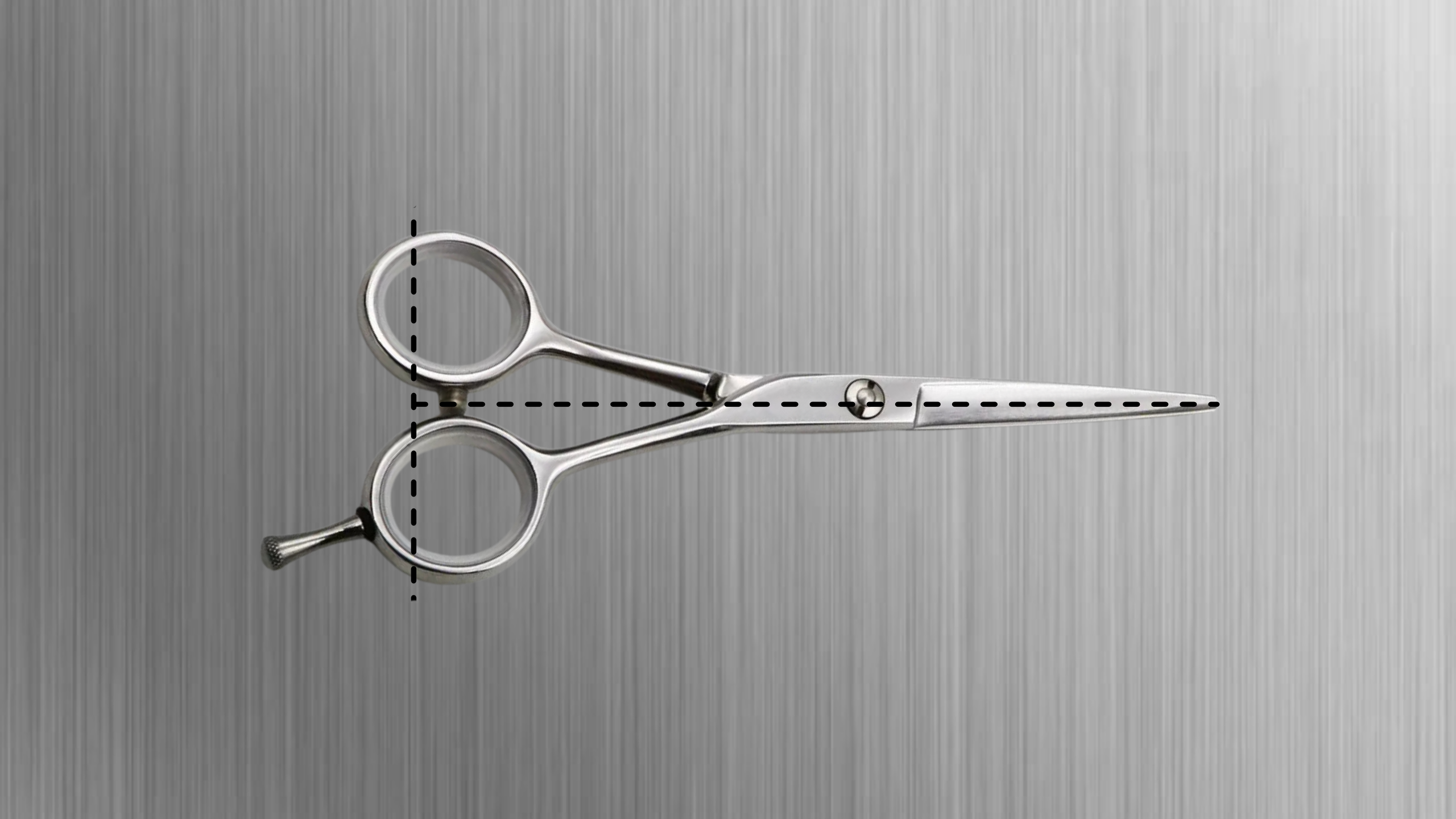
1. “Straight” — the classic design
“Straight” scissors feature symmetrical finger rings.
This is the traditional handle shape familiar to most stylists from the beginning of their training and provides a classic hand position.
Characteristics:
- traditional hand positioning
- simple control
- versatility for basic cutting techniques
Best suited for:
- beginner stylists
- professionals who prefer classic scissors
- stylists working in traditional techniques
❗ During long working hours, Straight handles may create more strain on the wrist compared to ergonomic designs.
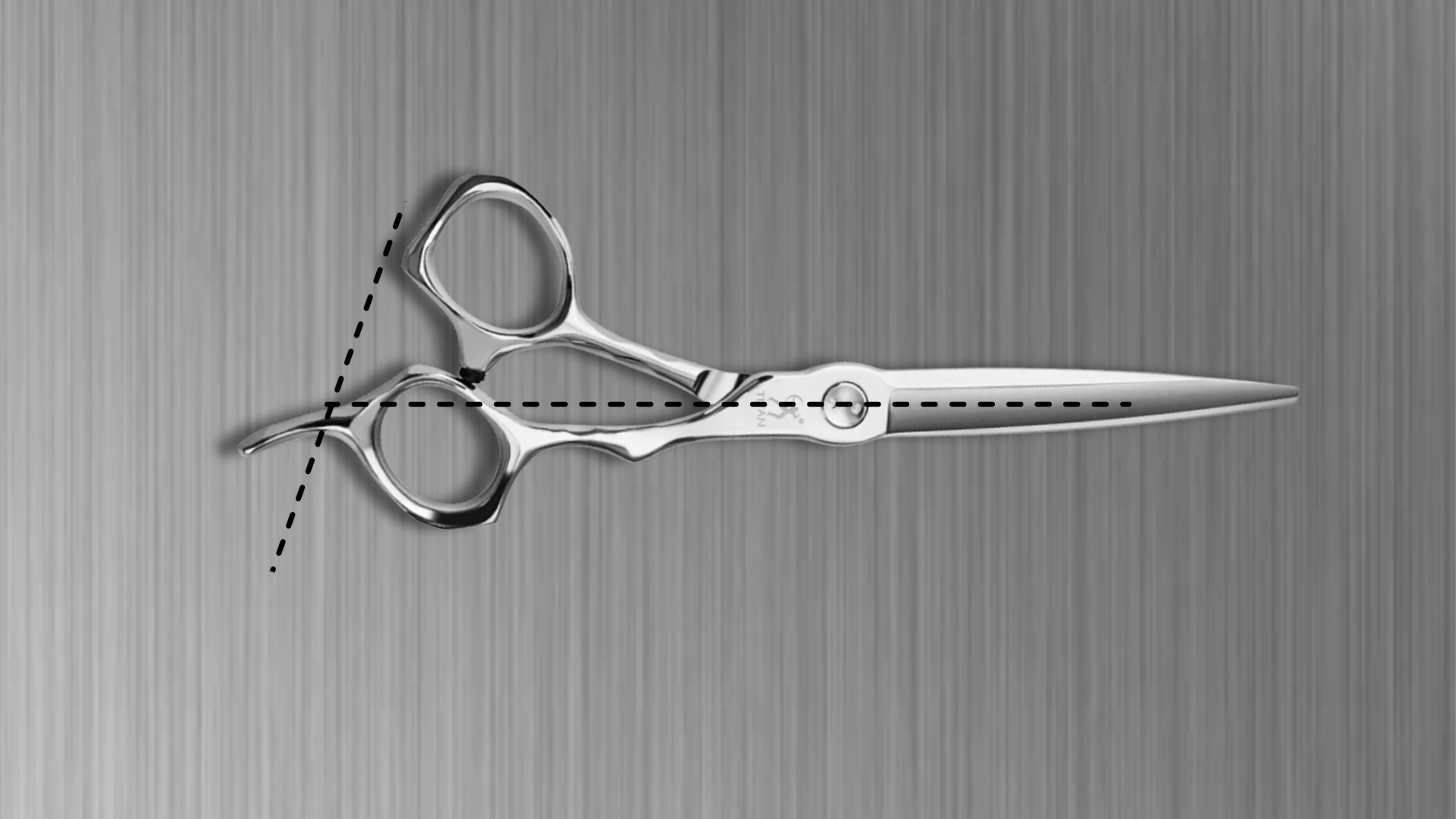
2. “Offset” — balance between comfort and familiarity
“Offset” scissors feature asymmetrical finger rings that provide a more natural hand position.
This is one of the most popular handle designs thanks to its comfort and versatility.
Advantages:
- reduces wrist strain
- more natural thumb position
- improved comfort during long working sessions
Best suited for:
- stylists with a consistent daily workload
- professionals looking to reduce fatigue
- stylists transitioning from classic handles
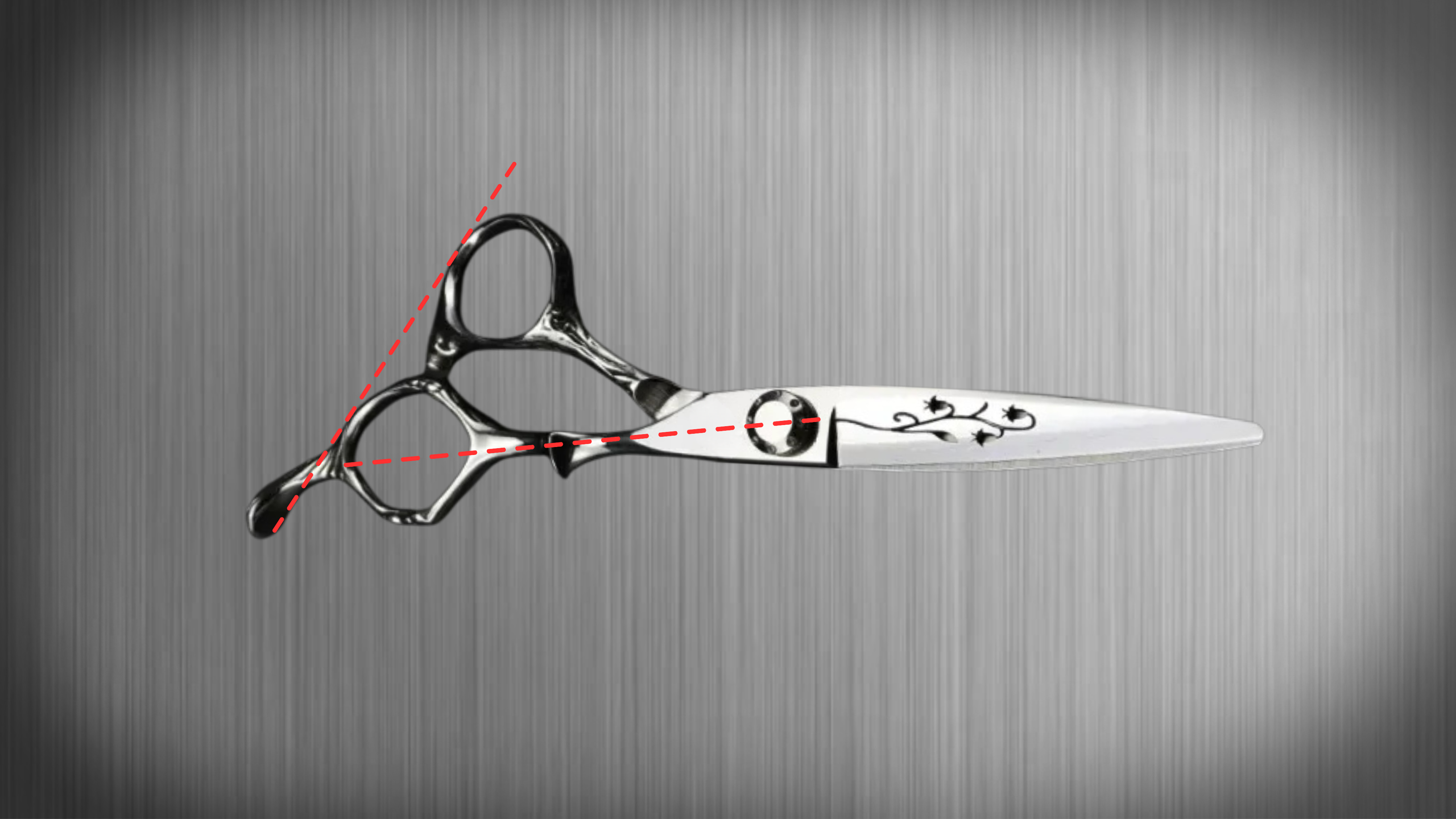
3. “Crane” — advanced ergonomics
“Crane” handles feature a more pronounced angle that allows the hand and wrist to remain in a more natural and relaxed position.
These scissors help reduce strain on the wrist, elbow, and shoulder.
Advantages:
- more natural hand positioning
- reduced strain during extended work
- improved comfort during intensive daily use
Best suited for:
- stylists with a large number of clients
- professionals experiencing hand fatigue
- those looking for a more ergonomic tool
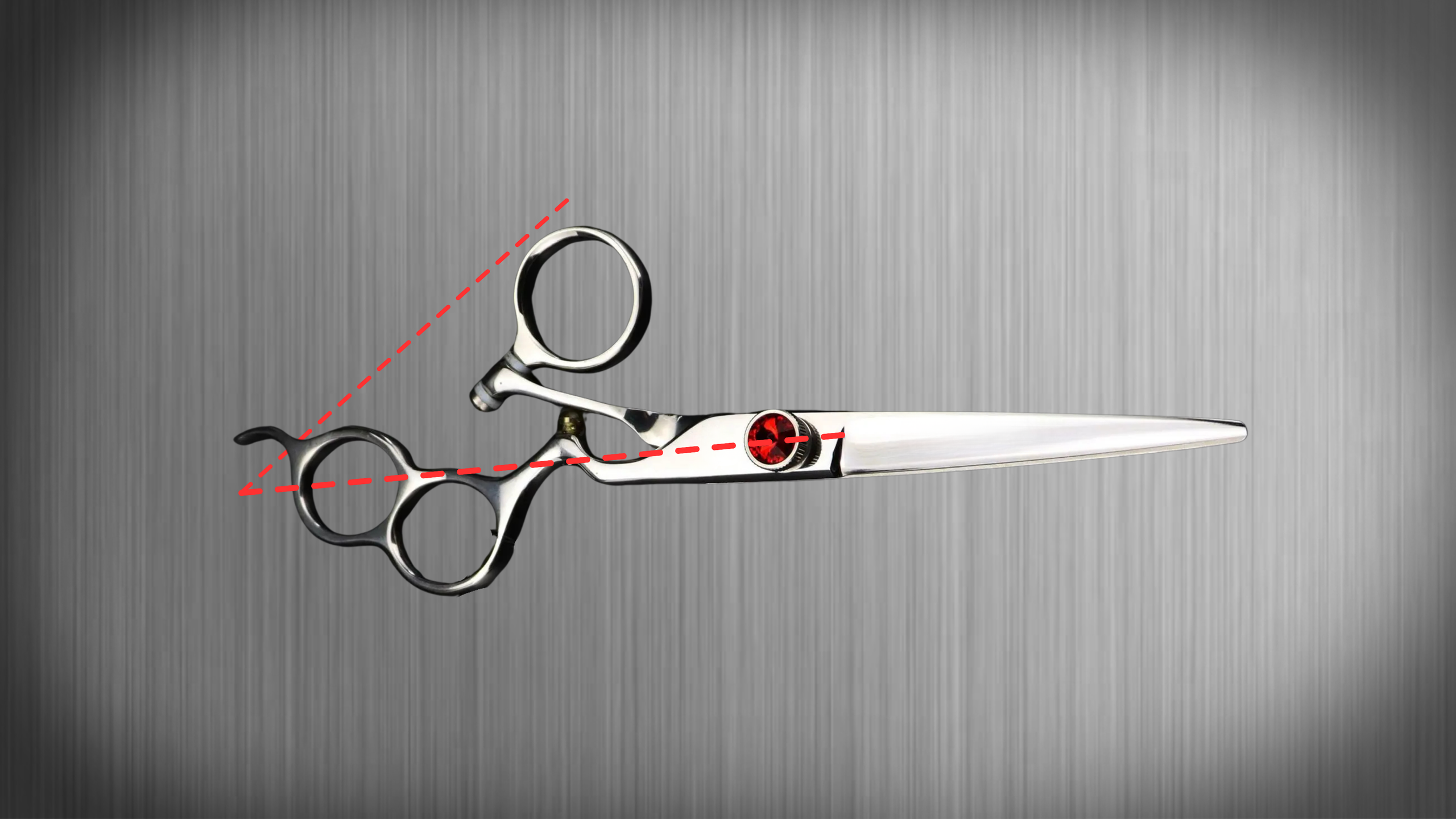
4. “Swivel Thumb” — maximum freedom of movement
“Swivel Thumb” scissors feature a rotating thumb ring.
This design provides greater freedom of movement during cutting work and allows the hand position to adapt more naturally to different cutting techniques.
Advantages:
- greater freedom and flexibility during work
- reduced wrist strain
- ability to change thumb positioning more freely
Best suited for:
- experienced stylists
- professionals working with advanced techniques
- those aiming to reduce hand strain
❗ Important: Swivel Thumb scissors require an adjustment period.
How to Understand That a Handle Design Does Not Suit You
Sometimes scissors may not cause obvious problems but can still make work less comfortable and limit professional development.
Pay attention to the following signs:
- wrist fatigue appears by the middle of the day
- tension in the thumb
- discomfort in the elbow or shoulder
- constant need to change hand position
- reduced precision and movement control
- the hand feels tense during work
❗ Many stylists ignore these signals and blame them on workload or general fatigue.
However, in many cases, the real reason is an unsuitable handle design.
How to Choose the Right Handle Design for You
Choosing a handle design is not about which one is “better.” It is about finding the right fit for your working style.
As a general guide:
- “Straight” — classic feel and familiarity
- “Offset” — comfort and versatility
- “Crane” — ergonomics and reduced strain
- “Swivel Thumb” — maximum freedom of movement
When choosing scissors, it is important to consider:
- your cutting technique
- number of clients
- length of your working day
- comfort and feel in the hand
If you experience discomfort after work, it may be time to reconsider your choice of scissors.
Conclusion
The handle design of hairdressing scissors directly affects comfort, technique, and strain on the hand and arm.
The right scissors:
- reduce fatigue
- improve control
- help you work longer, more consistently, and more precisely
There is no universal handle shape suitable for everyone. The best choice is the one that matches your technique, workload, and personal comfort.
💡 Recommendation
The blade type also plays an important role in scissor performance.
Read more
in the article:
Hairdressing
Scissor Blade Types