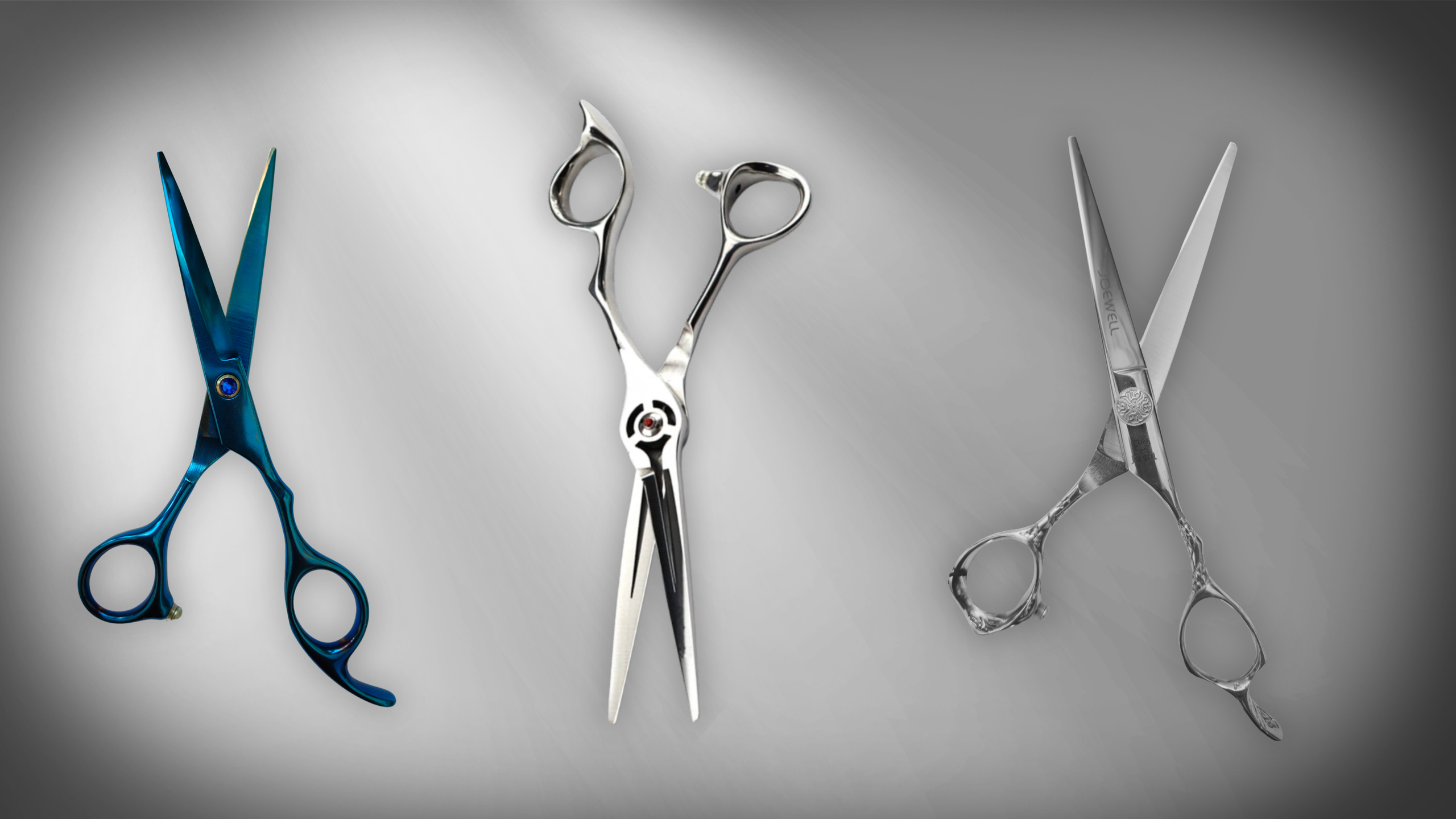
When choosing hairdressing scissors, it’s important to consider more than just the brand, size, or handle design. One of the key factors is the edge type. It directly affects cutting performance, control, cutting experience, and the level of technique required from the stylist.
There is no single edge type that is objectively “better” than another. The right choice depends on your experience, technique, and daily work requirements. One type may support you during the learning stage, while another reveals its advantages as your skills develop.
Let’s look at the three main hairdressing scissor edge types: Bevel, Semi-Convex, and Convex.
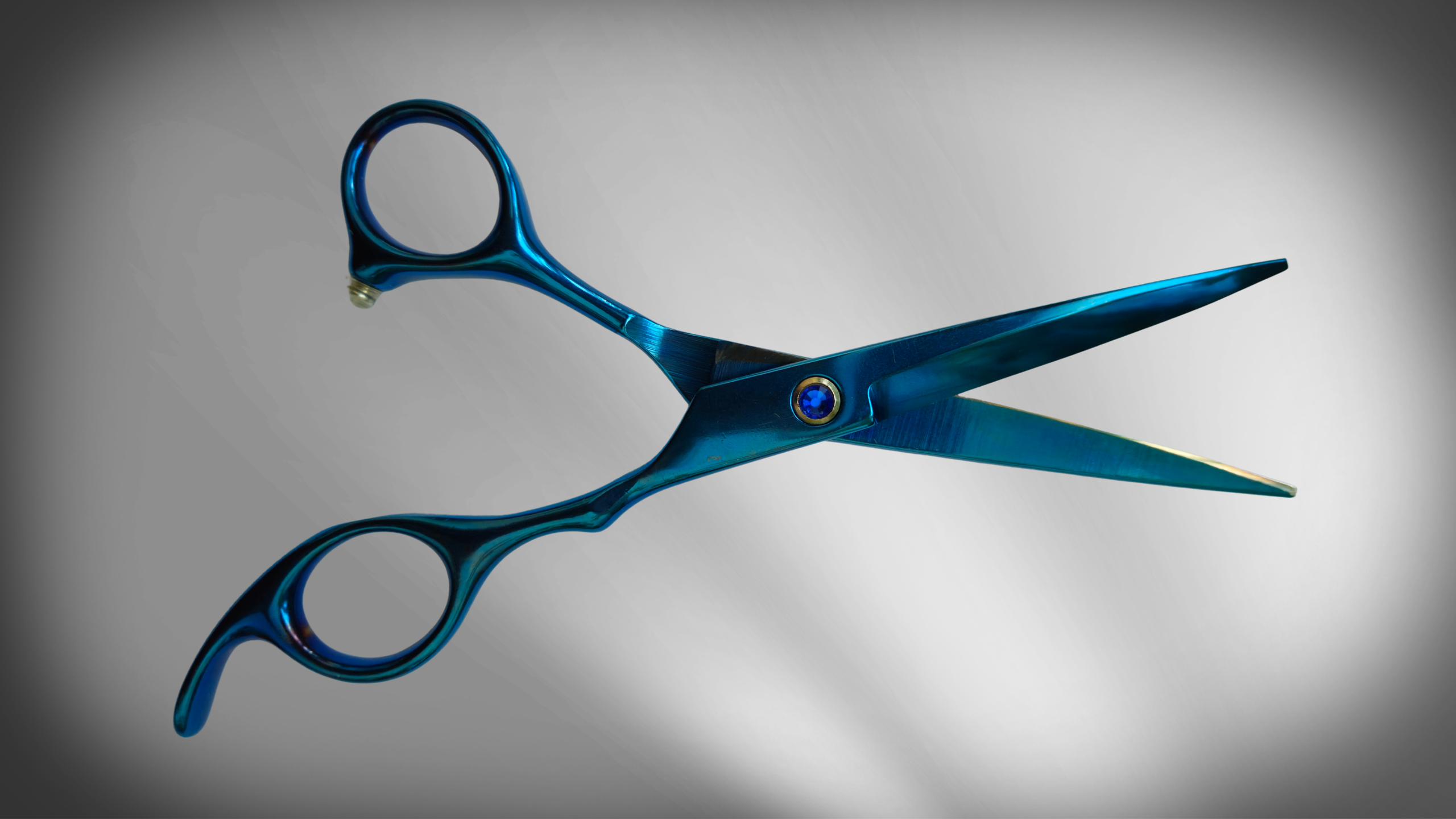
1. Bevel Edge — a solid starting point
Bevel edge scissors are a reliable and easy-to-control option for beginners. They are often chosen by stylists who are still developing their technique and building confidence in their work.
This edge type provides stability and predictability, making it easier to learn proper control and movement.
Why Bevel works well for beginners:
- predictable cutting feel
- good control
- comfortable introduction to professional scissors
At the beginning of a stylist’s career, scissors should support technique development rather than create unnecessary tension. Sometimes an unsuitable tool may not cause obvious mistakes, but it can slow down the development of confident and natural movement.
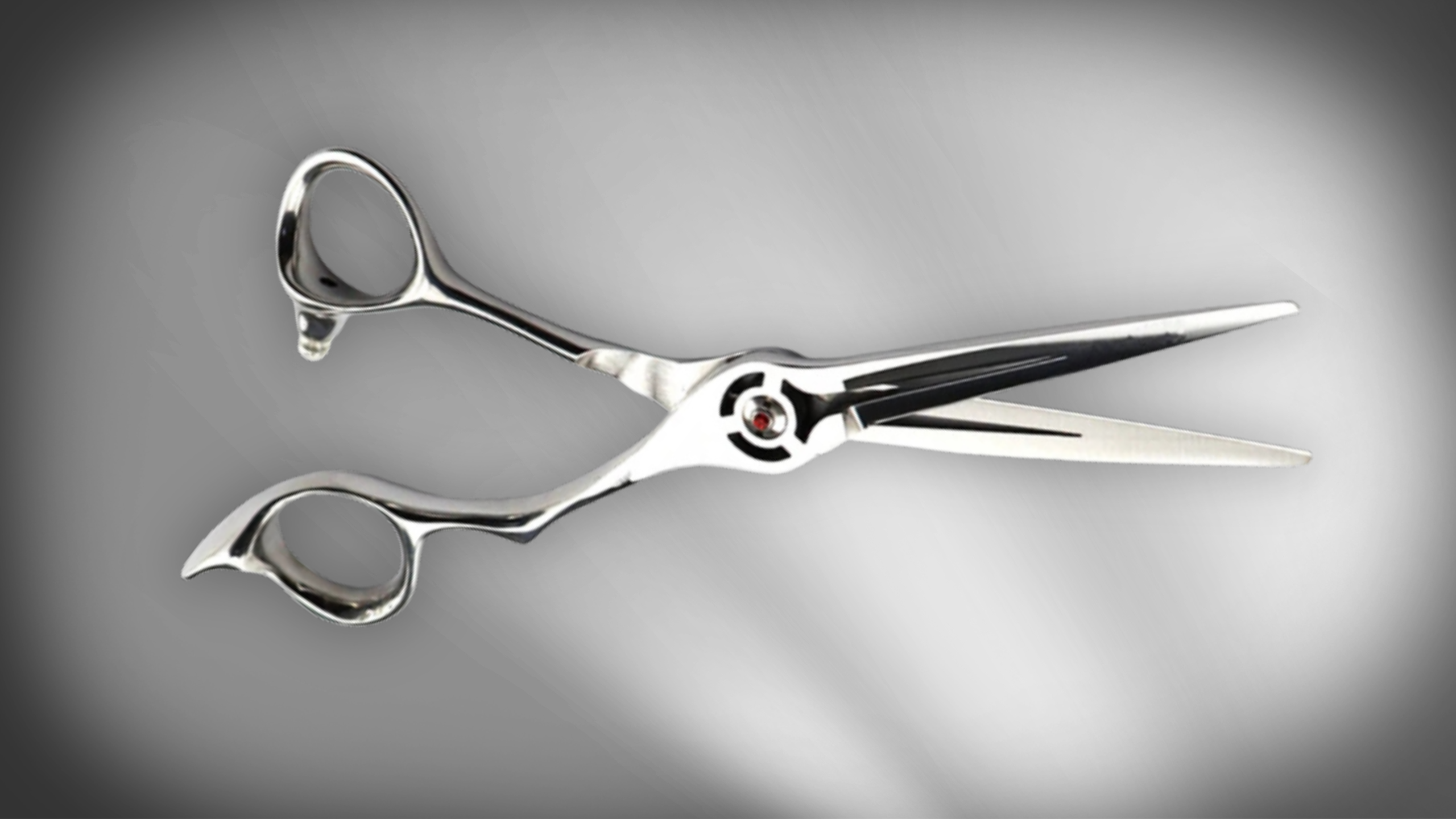
2. Semi-Convex — the next stage of progression
Semi-Convex scissors are often chosen by stylists who already work confidently with basic tools and want to move to the next level.
They are popular among professionals looking for a cleaner and smoother cut while still maintaining comfort and control.
Advantages of Semi-Convex:
- smoother and more precise cutting performance
- balanced combination of comfort and sensitivity
- a natural progression after Bevel
If Bevel represents a confident start, Semi-Convex represents technical growth and a transition to more refined cutting work.
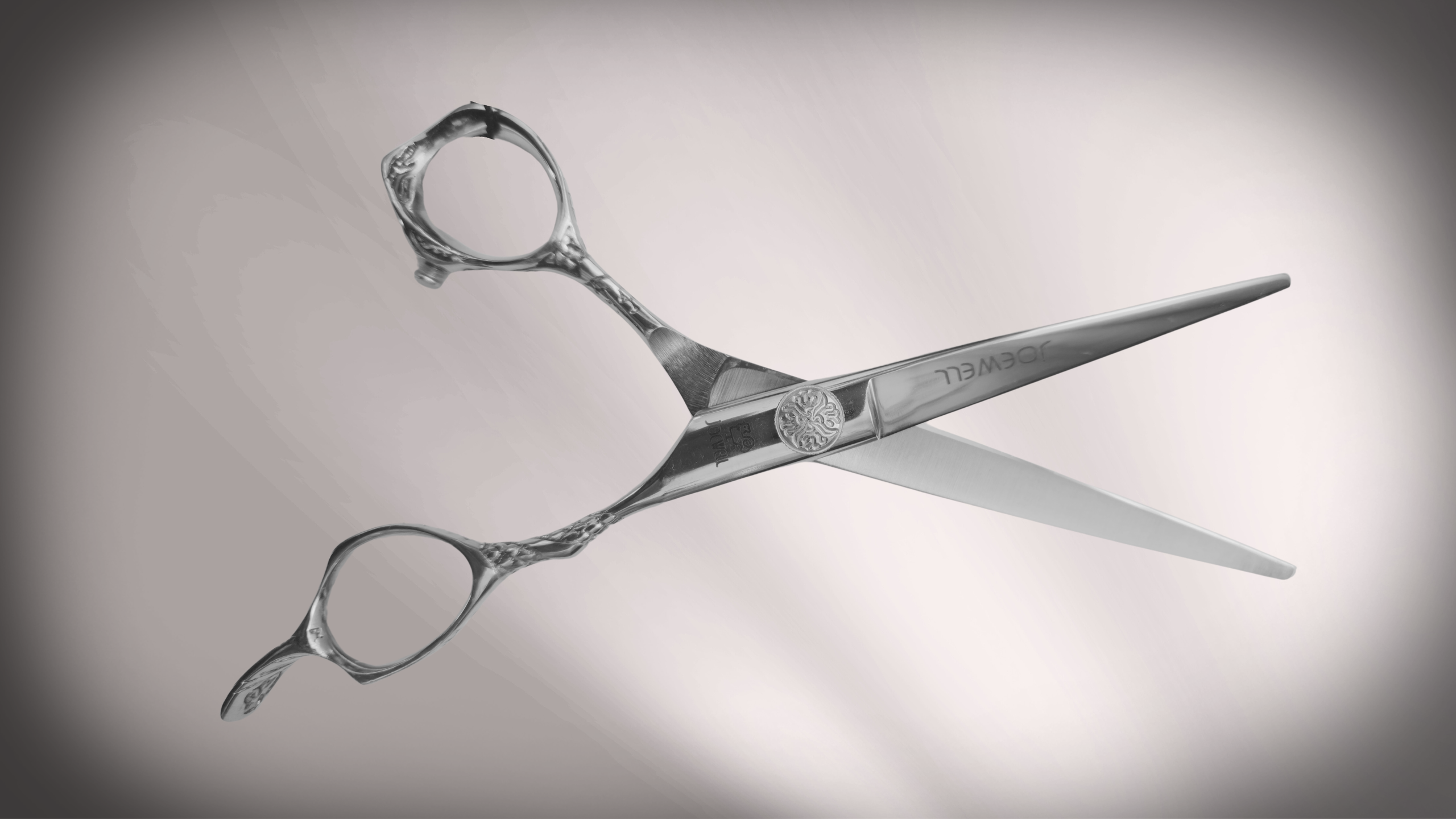
3. Convex — for precise and advanced technique
Convex scissors are typically chosen by experienced stylists with stable hand positioning and refined cutting technique. This is a more sensitive edge type that responds very precisely to movement and requires greater control.
These scissors are valued for their exceptionally clean cut and high precision, but they demand more from the stylist’s technique.
Key characteristics of Convex:
- high precision
- exceptionally clean and smooth cut
- greater sensitivity to cutting technique
This is a tool for professionals who already understand the specifics of their technique and intentionally choose a more advanced level of work.
Which edge type is right for you?
Choosing scissors is not about deciding which edge type is “best.” It’s about finding the right match for your current skill level and working style.
As a general guide:
- Bevel — for learning and building technique
- Semi-Convex — for confident professional development
- Convex — for stylists who prioritize maximum precision and edge sensitivity
It’s important to consider not only the edge type, but also:
- your experience level
- your cutting technique
- daily workload
- personal comfort and feel
The right scissors are the ones that feel comfortable and natural for you at your current stage of development.
Conclusion
The edge type of hairdressing scissors directly affects cutting feel, cutting quality, and the level of technique required from the stylist.
Bevel is well suited for beginners, Semi-Convex supports professional growth, while Convex is more often chosen by stylists who need maximum precision and sensitivity.
Choosing scissors based on the idea that “more advanced means better” is not always the right approach. It is far more important to choose a tool that matches your technique, experience, and workload. That is what makes the choice truly professional.